
Whether you are planning to build your dream home in the future or looking for a long-term property investment, buying a residential plot can be an exciting step. Instead of buying a flat ready to move in, buying a plot gives you the flexibility to decide on when and how you want to build your home. But with that freedom comes a couple of important responsibilities.
A plot could look perfect when you visit the site; it may have a good location and attractive pricing, but there is much more to consider before making the final call. Everything matters, from legal approvals, road connectivity, and future development to hidden costs.
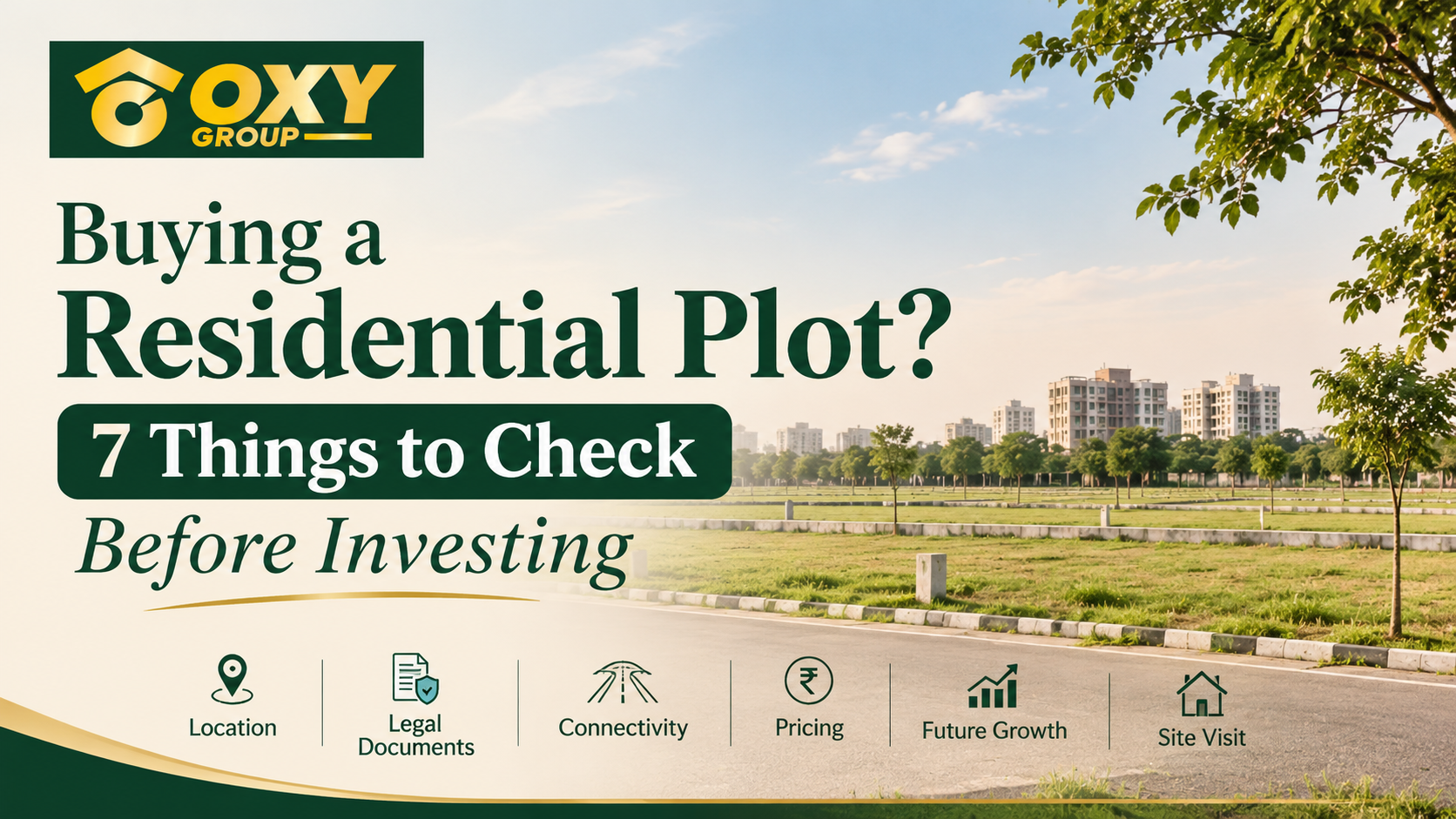
If you are planning to invest in residential land, here are seven important things you should check before buying a plot.
1. Check the Location and Surrounding Area
Location is one of the most important factors in buying a residential plot. As the plot may seem cheap now, the long-term value will be determined a lot by the area around it, accessibility and future development.
Before buying a property, find out about the locality and whether essential facilities like schools, hospitals, markets, public transport and daily utility shops are available nearby. If the area is still growing, find out what infrastructure and residential developments are planned.
A location that provides a good balance of convenience, connectivity and future growth can make your investment more practical in the long run.
2. Verify the Legal Documents and Ownership
Never buy a plot without verifying its legal status. Check the seller has clear ownership of the property and the legal right to sell it. Proper verification of documents like title deed, sale deed, previous ownership records and relevant land records should be done.
Also, one needs to determine if there are any disputes on the plot, any outstanding dues, mortgages or legal restrictions. If you don’t know the property documentation, it is good to consult a property lawyer to help you avoid complications later.
It is much better to take the time now to verify these details before the purchase than to deal with legal problems later.
3. Land use and review approvals
Not all land is suitable for house building. Make sure that the plot is approved for residential purposes and the project has the required permissions from the concerned authorities before purchasing.
If the plot is in a plotted development or township, ask for layout approval, development permissions and other relevant documents. You should also be aware of the rules relating to construction, setbacks, plot coverage and building height, as these can affect your future home plans.
4. Understand the Connectivity & Infrastructure
Even if you buy a house plot in a very quiet place, you may run into problems with the internet connection once you start living there. Check road access, nearby highways, public transport options and distance to major employment hubs or frequently visited locations.
Such facilities are particularly important in developing areas where some infrastructure may still be under construction.
“Good connectivity and reliable infrastructure can make the location more convenient for residents and potentially more attractive to future buyers.
5. Assess the Plot Cost and Other Expenses
The quoted price isn’t always the total you’ll spend buying a plot. Besides the basic cost of the property, there might be stamp duty, registration, broking, maintenance charges, development charges or any other applicable charges.
Compare the price to similar plots in the neighbourhood. Evaluate the plot size, location, road width, development status and amenities available rather than judging the deal only on price per square yard.
If a property is significantly cheaper than comparable properties, find out why before you go any further. A low price can be attractive, but not at the cost of unclear ownership, poor infrastructure or an unsuitable location.
6. Research Future Development and Growth Potential
One of the reasons to invest in residential plots is their long-term appreciation. But not all developing places grow at the same pace.
Research infrastructure projects that are planned, road widening, metro connectivity, commercial developments and new residential projects in the vicinity. Depending on how successful these developments are in being completed and how the area evolves, they may improve accessibility and increase demand over time.
Avoid making investment decisions solely based on promises of future development.
7. Visit the Plot Personally Before Taking a Decision
“Online listings, brochures and photographs can help you shortlist properties, but they cannot replace an actual site visit. If possible, visit the plot at different times and see the surroundings, road conditions, nearby construction, noise levels and overall neighbourhood.
Check the boundaries and dimensions of the plot and ensure that they are in accordance with the documents and layout plan. You can also see if the land is flat, if there is a risk of waterlogging and if the surrounding area looks suitable for what you have in mind.
Is Buying a Residential Plot the Right Investment?
Buying a plot can be a great option for someone who prefers flexibility, wants to build a home according to their needs or is planning to hold property for the long term; then it will be a good idea. However, it requires careful research, patience and a clear understanding of the location and legal aspects.
The right plot is not necessarily the cheapest one or the one marketed with the biggest promises.
Before making the payment, take your time to verify the documents, visit the location, compare your options and understand every cost involved.

Final Thoughts
Buying a residential plot is a decision that deserves careful thought and proper research. The right location, clear legal documents and reliable infrastructure can make your purchase more secure and practical.
Take time to compare your options, visit the site and understand the area’s development plans before investing. Rather than rushing into an attractive deal, focus on finding a plot that fits your budget, future plans and long-term goals. A well-planned investment today can help you build a better tomorrow.
Explore OXY Infra.
Oxy Hi Street offers commercial property options for businesses and investors looking to explore opportunities in Ghaziabad.
To know more about Oxy Hi Street:
👉 Download the brochure to explore project details and available options, and connect with the Oxy Infra team for more information.
Frequently Asked Questions (FAQs)
1. Is buying a residential plot better than buying a flat?
It depends on you what exactly you want to buy. A plot offers flexibility in construction and may suit long-term land investment, while a flat can be more convenient if you want a ready home.
2. What documents should I check before buying a residential plot?
You should verify ownership and title documents, land records, approved layout, applicable land-use permissions, encumbrance details and other relevant documents depending on the location and project.
3. How do I know if a residential plot is legally approved?
Check the approval and layout documents with the relevant local authority or development authority.
4. Does location affect the value of a residential plot?
Yes. Connectivity, surrounding development, access to essential facilities, infrastructure and demand in the area can influence the property’s desirability and value over time.